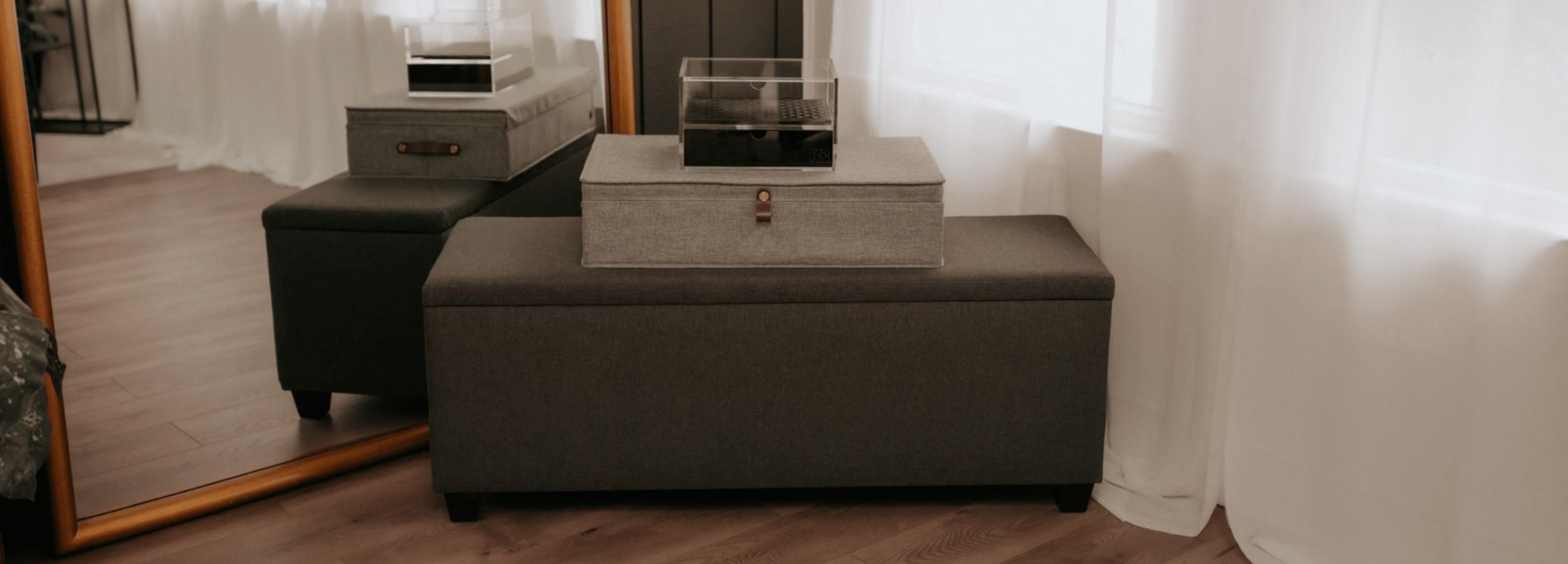
As the intimacy market rapidly grows, bedrooms are still missing one essential storage category. Here’s why design hasn’t caught up and how a new wave of design – led by brands like KinkBox – is finally closing the gap.
The Bedroom Has Evolved – But Its Storage Hasn’t
Over the last decade, the bedroom has quietly transformed.
It’s no longer just a place to sleep. It’s where people unwind, reconnect, and create space for themselves at the end of the day. Design has followed suit – layered lighting, elevated materials, and a stronger emphasis on comfort and atmosphere.
At the same time, another shift has been happening in parallel.
The intimacy and wellness market has grown significantly, becoming a normalized and increasingly important part of modern life. What was once considered niche is now widely embraced, with people investing in products that support connection, confidence, and well-being. A growing percentage of consumers now view intimacy products as part of their self-care and wellness routines, not separate from them.
But while both the bedroom and this category have evolved, one thing hasn’t kept up:
The way these items are stored.
A Modern Category With Outdated Solutions
Today, more people than ever are investing in personal, intimate essentials. They’re curated, often premium, and increasingly viewed as part of a broader lifestyle. But inside the home, they’re still being handled the same way they were years ago.
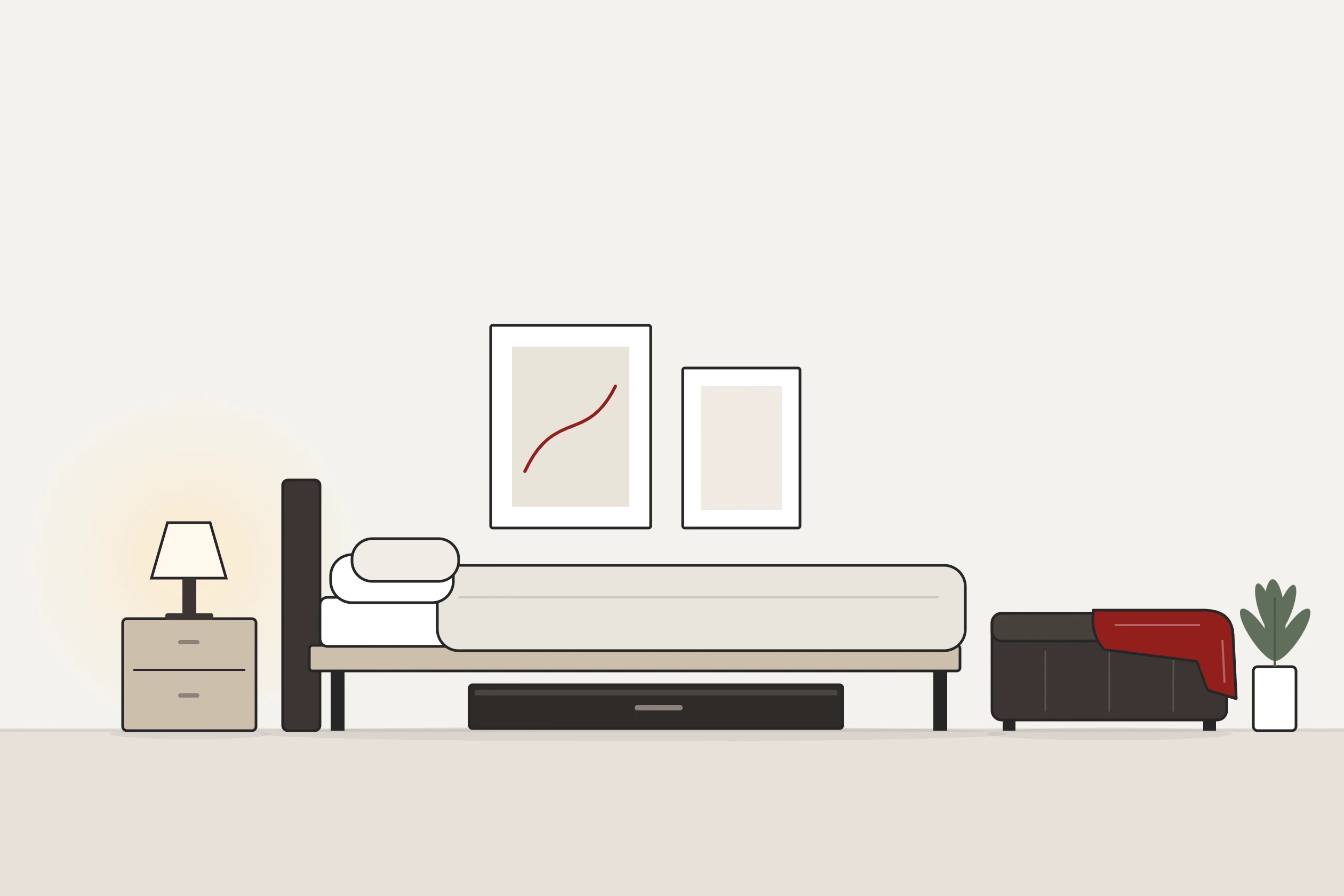
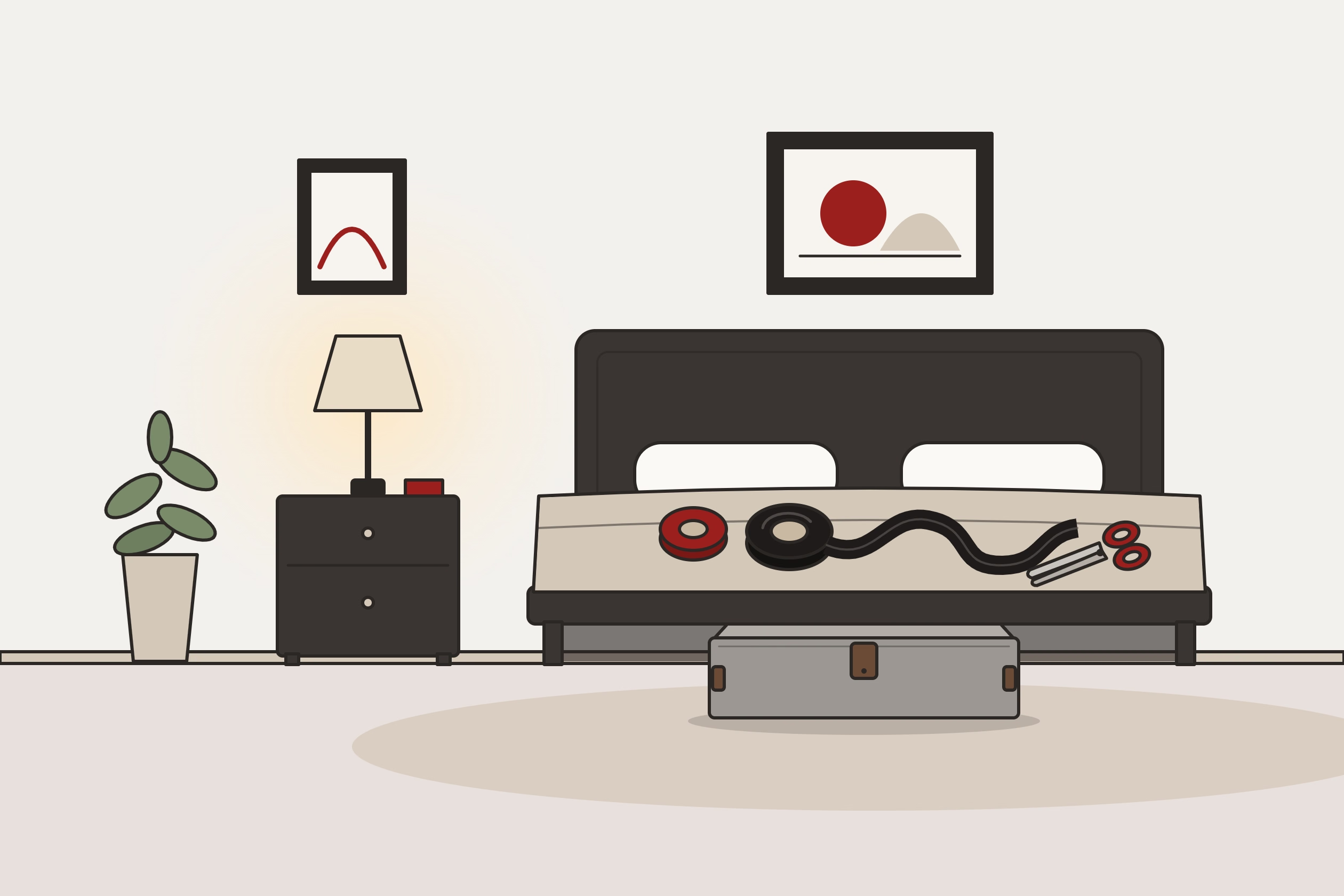
Most often, into drawers. Under the bed. Inside bags or containers that were never designed for them.
It’s not that people want to store them this way—it’s that there hasn’t been a real alternative. For years, this need has been solved quietly, individually, and imperfectly.
Until recently.
The Problem With Improvised Storage
The default solutions – drawers, nightstands, or random containers – were never designed with this category in mind. They fall short where it matters most.
Drawers don’t offer real privacy. Nightstands lack security. Organization becomes an afterthought. And the experience itself—searching, digging, turning on harsh lights—can feel at odds with the calm, intentional environment people are trying to create.
It’s a small friction point, but one that adds up.
Because the bedroom has evolved but this part of it hasn’t.
The Category That Never Fully Formed
Not everything needs to be hidden. Nearly every area of the home has developed its own storage systems. Kitchens are optimized down to the drawer. Bathrooms are built around routines. Offices are designed for efficiency.
But the bedroom, despite being one of the most personal spaces, has lacked a defined, thoughtful category for storing intimate essentials.
Not hidden away carelessly.
Not improvised.
But designed with intention.
As the intimacy market has grown, this gap has become harder to ignore. And that’s where a new category is beginning to take shape.
Enter: Intimate Bedroom Storage, Designed for Real Life
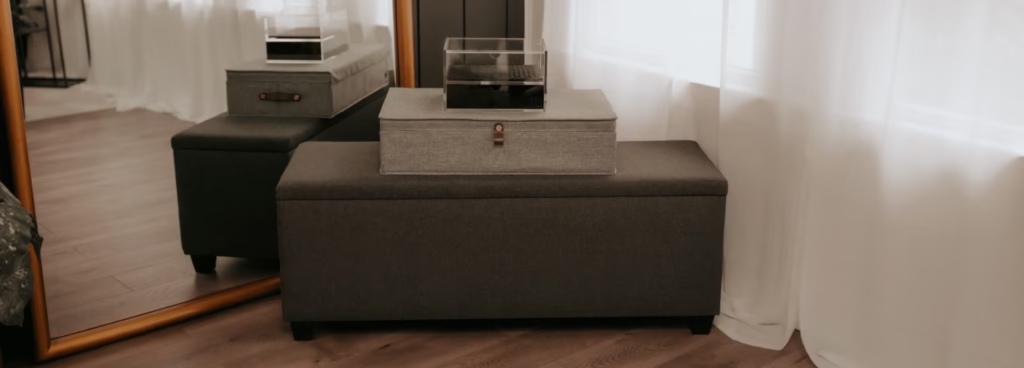
KinkBox is one of the brands that is starting to address this gap – treating intimate storage as a legitimate part of home design rather than something to work around.
Founded by a husband-and-wife team, KinkBox was created from a simple realization: bedrooms had storage for everything, except the items people actually wanted to keep private, organized, and easily accessible.
Instead of adapting existing furniture, KinkBox approached storage from a different perspective: what if these items had a place designed for them from the start?
The result is a new category often referred to as intimate storage – defined by discretion, security, and thoughtful organization.
Designing What Was Missing
Pieces are designed to blend seamlessly into the bedroom, offering privacy without feeling hidden.
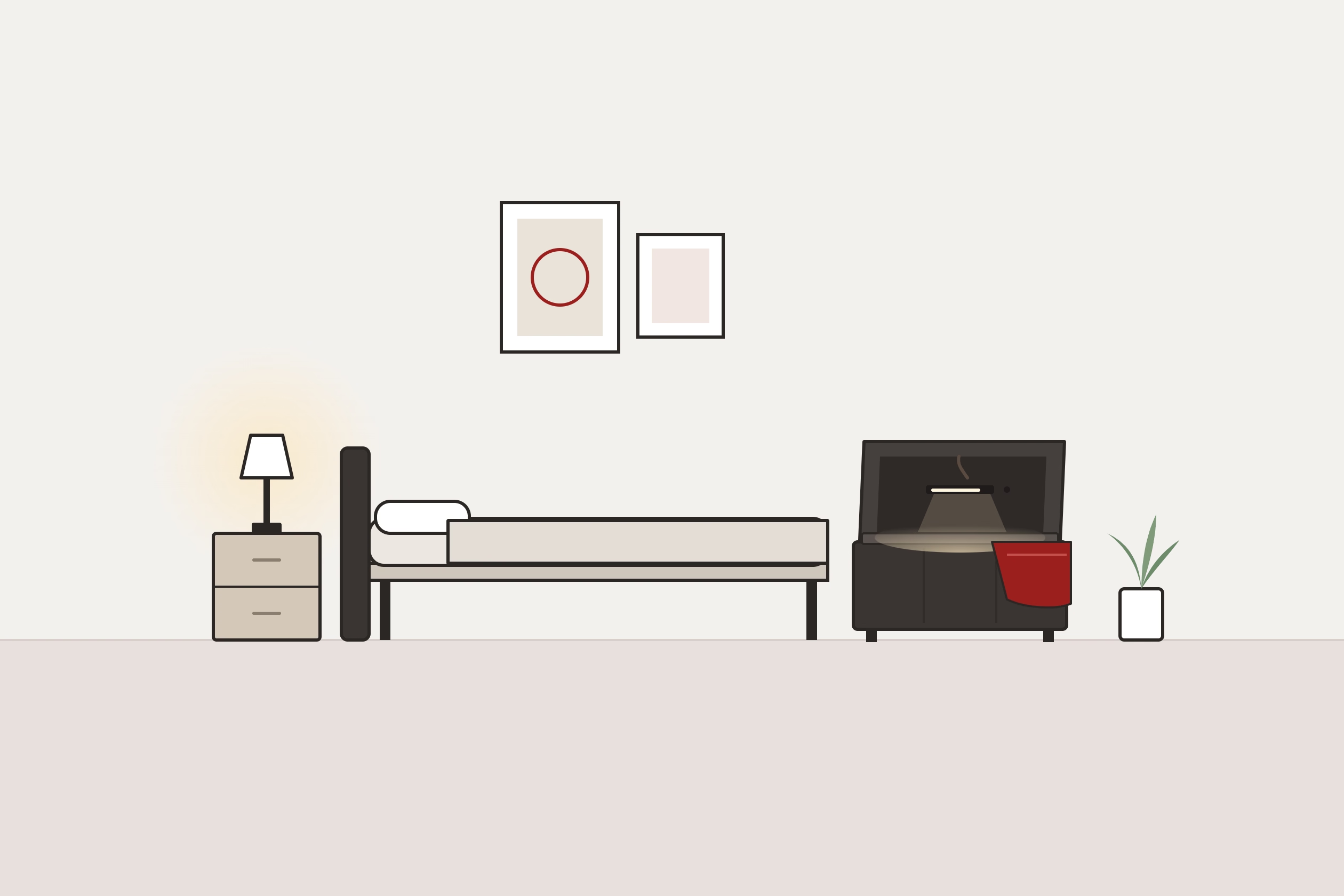
Lockable features provide peace of mind, while structured interiors keep everything accessible and organized. Subtle lighting and considered details allow the space to function without disrupting the atmosphere of the room.
It’s not about adding something new to the bedroom. It’s about completing something that was always missing.
From Hidden Problem to Design Solution
What makes this shift notable isn’t just the products – it’s the recognition of the category itself.
For years, this need existed quietly. People solved it individually, often in ways that felt temporary or incomplete. Now, it’s being acknowledged as a real part of how modern bedrooms function.
KinkBox is part of a broader movement that reframes intimate storage as something worth designing well – bringing the same level of thought and intention that other areas of the home have benefited from for years.
Why This Shift Matters Now
As people invest more intentionally in their homes, expectations are changing.
There’s less tolerance for clutter, for compromise, for spaces that don’t fully support how people live. Privacy has become more important, especially in shared households. And design is increasingly expected to solve real-life needs—not just look good.
The bedroom, in particular, has become a place where all of these expectations meet.
And for the first time, this overlooked category is being addressed in a meaningful way.
Final Thought
The intimacy market has evolved.
The bedroom has evolved.
Now, the storage is catching up and for the first time, something that was always part of the space finally has a place – designed with the same care as everything around it.